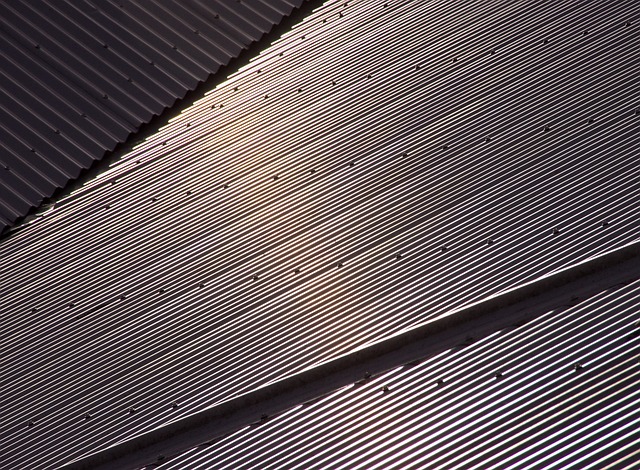
When it comes to commercial and industrial buildings, success often starts at the top. A properly designed roofing system protects valuable assets, supports operational efficiency, and provides long-term durability. That’s why professional roof construction and installation is a critical investment for any industrial facility.
A well-built industrial roof isn’t simply about covering a structure. It’s about creating a system that performs reliably year after year.
Planning Before Construction Begins
Every successful roofing project begins with careful planning.
Before installation starts, contractors assess:
- Building size and structure
- Environmental conditions
- Drainage requirements
- Insulation needs
- Future maintenance access
This planning phase helps ensure the final roofing system meets both operational and structural requirements.
Selecting the Right Industrial Roofing System
Different facilities require different roofing solutions.
For example, warehouses may prioritise durability and cost efficiency, while manufacturing plants may require specialised insulation or ventilation systems.
Popular industrial roofing options include:
- Metal roofing systems
- Insulated roof panels
- Standing seam roofing
- Membrane roofing systems
Selecting the appropriate system ensures maximum performance and longevity.
Key Stages of Roof Construction and Installation
Professional roof construction and installation typically involves several stages.
Structural Preparation
The supporting framework must be inspected and prepared to carry the roofing system safely.
Material Installation
Roofing materials are installed according to engineering specifications and manufacturer guidelines.
Waterproofing
Flashings, seals, and drainage systems are carefully installed to prevent water intrusion.
Final Inspection
A thorough inspection confirms quality, safety, and compliance before project completion.
Each stage contributes to the overall performance of the industrial roof.
Why Quality Workmanship Matters
Even premium materials cannot compensate for poor installation.
Professional roofing teams understand how different components interact within the roofing system. Their attention to detail helps prevent common issues such as leaks, corrosion, and structural stress.
This expertise plays a major role in extending the lifespan of industrial roofing systems.
Maintenance After Installation
The work doesn’t end once construction is complete.
Regular maintenance helps preserve roof performance and identify minor issues before they become major problems.
Routine inspections should include:
- Checking flashings
- Inspecting drainage systems
- Looking for corrosion
- Assessing seal integrity
- Reviewing structural components
A proactive maintenance approach protects your investment and minimises unexpected repair costs.
Investing in Long-Term Performance
Industrial buildings depend on strong, reliable roofing systems to support daily operations. By focusing on quality materials, professional workmanship, and proper planning, businesses can maximise the lifespan and performance of their industrial roof.
Whether it’s a new facility or a replacement project, professional roof construction and installation provides the foundation for long-term protection, efficiency, and peace of mind.